A New Wave of Retail Investment in Nigeria
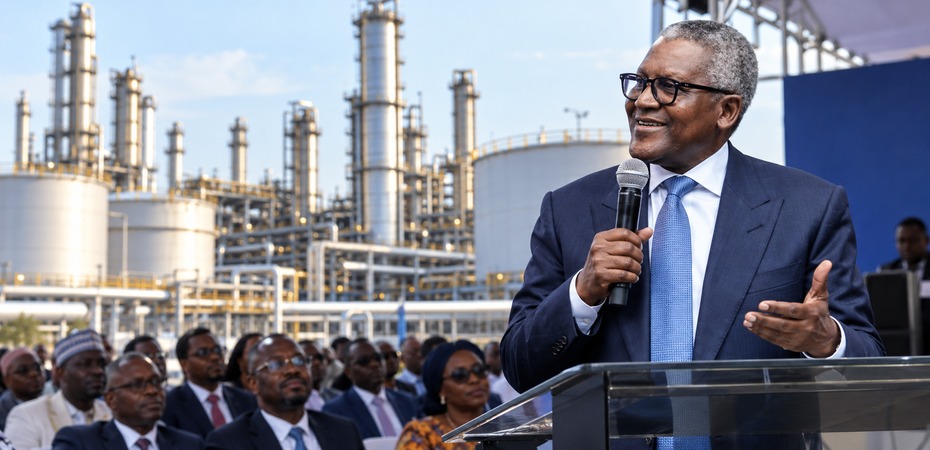
Nigeria’s investment market has attracted widespread public attention following the launch of a share offering linked to Aliko Dangote’s major oil refinery. The sale has encouraged people from different financial backgrounds to explore stock-market investing, including many making their first purchase of company shares.
The offering covers more than four billion shares, representing slightly over 3% of the refinery. Its relatively low entry point has helped attract smaller investors who previously may have viewed large industrial businesses as beyond their reach.
Social Media Turns Shareholders Into a National Talking Point
The enthusiasm has spread well beyond financial circles. Nigerians have used online jokes, videos and the Hausa-inspired nickname “Yangote” to celebrate the idea of becoming partial owners of a major domestic business.
The rush also exposed pressure on digital investment services. Bamboo, a popular trading platform, experienced technical problems as customers attempted to access the offering and subsequently apologised to users.
For some buyers, the purchase represents more than a financial transaction. It is an opportunity to participate in a prominent Nigerian business and potentially benefit from its future growth.
First-Time Investors See an Opportunity
The offering has attracted people who have never previously invested in listed shares. One example reported by the BBC was Idris Lawal Musa, a 25-year-old clothing seller who invested 21,000 naira in 40 shares.
His approach also reflects a common question facing new investors: whether to hold shares for long-term growth or sell if their market value rises. Such decisions depend on individual financial circumstances, the company’s performance and market conditions.
Why the Refinery Matters to Nigeria
The refinery has become an important part of Nigeria’s efforts to strengthen domestic fuel production. Despite being a major crude oil producer, the country has historically depended heavily on imported refined petroleum products.
Located near Lagos, the Dangote refinery has a reported processing capacity of approximately 700,000 barrels of crude oil per day. Its operations could help reduce dependence on imported fuel, although supply, production and distribution challenges remain relevant to its performance.
For Dangote, selling a minority stake offers a way to raise capital while allowing members of the public to participate in the business.
Experts Warn Against Investing on Hype Alone
The excitement surrounding the offering does not remove the risks associated with equity investment. Share prices can fall as well as rise, and investors may lose some or all of the money they put in.
Financial analysts have highlighted issues that could affect the refinery’s future, including access to crude oil, operational difficulties, regulatory decisions and changes in demand for petroleum products.
The rapid spread of investment discussions on social media may also encourage people to participate because they fear missing out. New investors should instead understand the company’s prospects, evaluate the risks and avoid committing money they cannot afford to lose.
A Broader Shift in Public Participation
The share offering highlights growing interest in investment opportunities among Nigerians, particularly younger people who use digital platforms to manage money and explore financial products.
Whether the enthusiasm translates into lasting benefits will depend on the refinery’s financial performance and how investors respond to changing market conditions. The event nevertheless demonstrates how a major domestic company can bring stock-market participation into the public conversation.