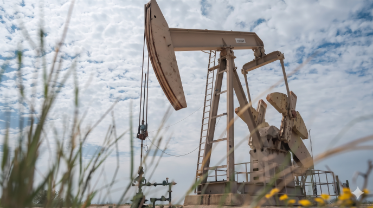
Brent crude futures increased by $1.50, or 1.32%, to $115.59 per barrel. Meanwhile, US West Texas Intermediate (WTI) rose $1.47, or 1.47%, reaching $101.37 per barrel.
The latest price movement followed claims by Yemen’s Houthi group that it had targeted Saudi Arabia’s Ras Tanura refinery with a ballistic missile on Tuesday. The reported incident has heightened concerns that the regional conflict could expand further and threaten critical oil infrastructure.
Trump’s Iran Remarks Keep Markets on Edge
Uncertainty surrounding Washington’s next steps toward Tehran has also contributed to market volatility. US President Donald Trump reiterated that the conflict would end on terms acceptable to his administration, emphasizing that Iran must not be allowed to develop nuclear weapons.
Although Trump suggested that the war could end relatively quickly, his comments about the possibility of a diplomatic agreement or additional military action have left investors uncertain about what comes next.
Supply Disruption Fears Support Crude Prices
Oil traders are closely watching developments across the Middle East, particularly the potential impact on production facilities and key transportation routes. Any sustained disruption could tighten global supplies and place further upward pressure on crude prices.
These concerns have helped maintain a geopolitical risk premium in the oil market, reflecting the possibility that escalating tensions could affect the availability of energy supplies worldwide.
Political Uncertainty Adds to Regional Risks
The political situation in Israel has added another layer of uncertainty. Preliminary exit polls indicated that neither Prime Minister Benjamin Netanyahu’s bloc nor the opposition led by Gadi Eisenkot had secured a clear majority in the 120-seat parliament.
With 61 seats needed to form a majority, the results pointed toward difficult coalition negotiations and the possibility of prolonged political uncertainty. The eventual government’s position on Iran could become another factor influencing regional security and investor sentiment.
For now, crude prices remain sensitive to developments on the diplomatic and military fronts, with traders assessing whether tensions will ease or lead to further disruptions in global oil supplies.