Proposed Changes Could Reshape Methane Oversight
The Trump administration is preparing to scale back federal requirements designed to limit methane pollution from oil and natural gas operations. The announcement, made by President Donald Trump during a campaign event in Texas on October 27, 2026, signals another major change in the country’s approach to regulating greenhouse gas emissions.
The Environmental Protection Agency (EPA) is expected to revise several provisions introduced under former President Joe Biden. The proposed changes would address requirements affecting smaller oil and gas wells and could also end a federal initiative that uses independent monitoring to identify major methane leaks.
The administration argues that easing these restrictions would reduce operating expenses for energy producers and support domestic production. However, environmental advocates have raised concerns about the potential consequences for air quality and climate protection.
Why Smaller Oil Wells Are at the Centre of the Debate
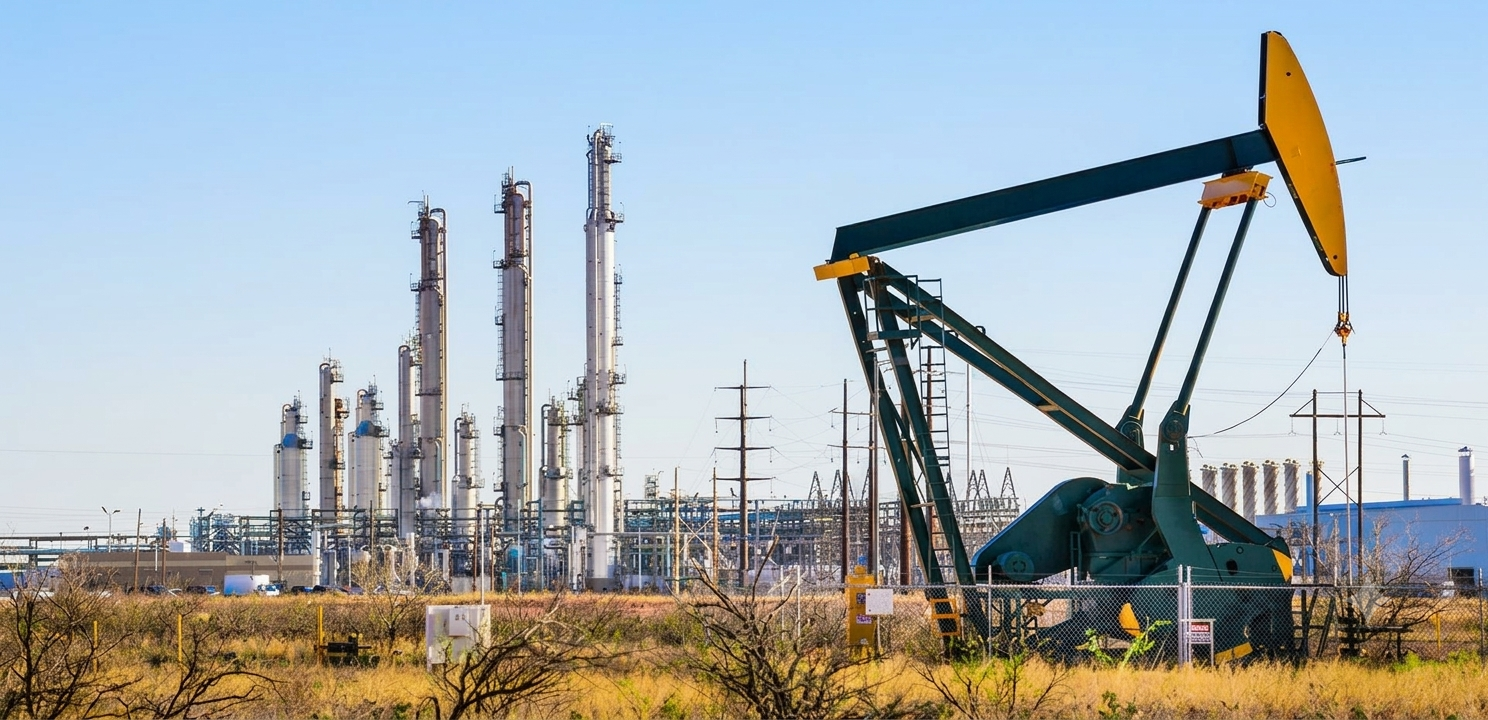
A key part of the proposed revision concerns marginal wells, which generate relatively small amounts of oil or natural gas. Operators of these facilities argue that the cost of inspections, equipment upgrades and leak repairs can make continued production financially difficult.
Industry representatives have therefore pushed for more flexible requirements. The National Stripper Well Association has argued that compliance expenses could make some low-output wells commercially unviable.
The EPA has presented its review as an effort to reduce regulatory costs. Administrator Lee Zeldin has said the administration wants energy producers to operate with fewer financial and administrative obstacles.
The financial impact on consumers, however, remains uncertain. Although the administration expects regulatory changes to support the energy sector, any effect on petrol prices, household energy bills or overall production will depend on wider market conditions as well as the final rules.
Environmental Concerns Over Methane Pollution
Methane is a major component of natural gas and contributes significantly to global warming. Although it remains in the atmosphere for a shorter period than carbon dioxide, it traps substantially more heat over a 20-year period.
Leaks from oil and gas infrastructure are a particular concern because methane can escape during production, storage and transportation. Monitoring equipment, aircraft and satellites can help identify emissions that are difficult to detect through ordinary visual inspections.
Research cited in the original reporting suggests that smaller wells account for a disproportionate share of methane leakage relative to their contribution to US gas production. This has made them an important focus of the regulatory debate.
Environmental and public-health organisations warn that weaker controls could allow more methane and other harmful pollutants to enter the atmosphere. Volatile organic compounds, which can be released alongside methane, may also affect communities located close to oil and gas facilities.
What Happens to the EPA's Leak-Detection Programme?
Another proposed change involves the EPA’s Super Emitter Program, which was designed to help identify significant methane releases through reports from approved third-party monitoring organisations.
The programme’s implementation had already been delayed. The administration now intends to remove it as part of its wider review of oil and gas regulations.
Supporters of the proposed changes question whether the programme provides sufficient benefits relative to its administrative demands. Critics, meanwhile, argue that reducing independent leak reporting could make it more difficult to identify and address major emissions events.
Regulatory Process Will Determine the Final Outcome
The announcement does not mean that every proposed change has immediately taken effect. Federal rulemaking generally involves publishing a proposal, accepting public comments and issuing a final decision. Any completed changes may also face legal challenges.
The debate highlights a broader policy question: how should the United States balance affordable energy and the financial interests of producers with the environmental costs of fossil fuel extraction?
The eventual outcome will depend on the EPA’s final regulatory decisions, industry responses and possible court proceedings. For now, the proposed revisions place methane monitoring and emissions control back at the centre of the country’s energy policy debate.
Source and Attribution: This article is an independently written summary based on reporting by NBC News and publicly available information from the US Environmental Protection Agency. Add the direct link to the original NBC News article here before publication. The EPA’s official announcement can be found on its website.