UK Treasury Chief Faces a Difficult First Budget
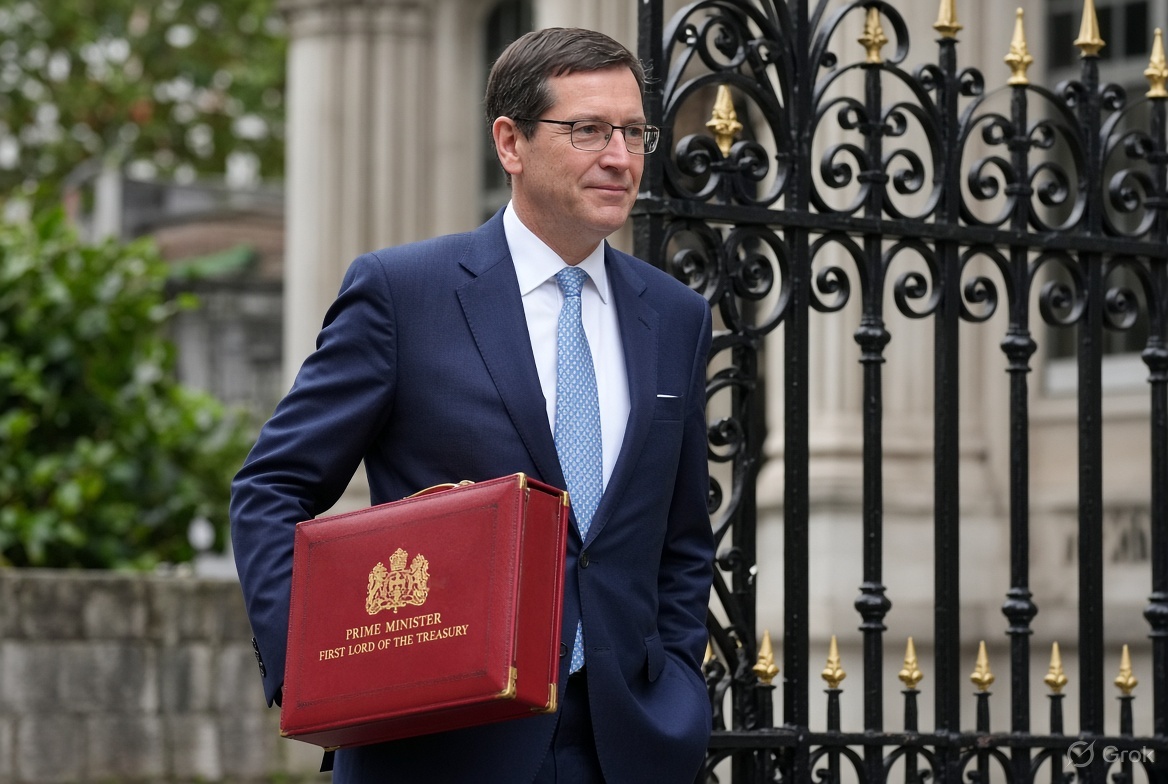
British Treasury chief John Healey is preparing to deliver his first budget statement under Prime Minister Andy Burnham amid growing economic uncertainty. The Iran war has contributed to rising energy prices and inflation, making it more difficult for the government to balance public spending with its financial commitments.
Healey, appointed chancellor of the exchequer in July, faces pressure to support households and businesses while maintaining confidence in the UK’s public finances.
Inflation and Energy Costs Put Pressure on Households
The UK economy has faced increasing pressure from higher energy prices and disruptions to global oil and gas supplies linked to the Iran war and restrictions affecting the Strait of Hormuz.
Inflation has risen to 3.5%, its highest level in nearly a year, with further increases expected. The Bank of England is also expected to raise interest rates, potentially increasing the government’s borrowing costs.
Healey has promised to provide families and businesses with some relief from the rising cost of living. Before the budget, he abolished a charge applied to domestic natural gas bills, with additional measures to help households manage energy expenses expected.
Government Spending Faces Major Constraints
Despite stronger-than-expected economic growth, the government has limited room to finance its ambitions for public services, healthcare, education and defence.
The UK’s public debt has exceeded £3 trillion for the first time, with approximately 8% of government spending going towards servicing that debt.
The financial pressure means Healey must carefully consider any new spending commitments and identify potential sources of additional revenue.
Banks and Gambling Sector Could Face Higher Taxes
The government is expected to consider increasing the surcharge on bank profits, with financial institutions having benefited from higher interest rates.
Higher taxes on the gambling sector are also among the potential revenue-raising measures being considered.
However, the government must balance raising additional revenue against the risk of discouraging investment and placing further pressure on businesses.
Defence Spending Remains a Key Issue
Defence is expected to be another important focus of the budget. Healey previously served as defence secretary before leaving the position earlier in the year amid concerns about insufficient funding.
Prime Minister Andy Burnham has pledged to meet NATO defence spending targets, alongside commitments to improve elderly care and tackle homelessness.
Delivering these promises could require tax increases, spending reductions or other financial adjustments.
Financial Markets Are Watching Closely
Investors are closely monitoring the UK’s borrowing requirements and fiscal outlook. Rising government debt and uncertainty in international bond markets have increased pressure on policymakers to demonstrate financial discipline.
Investment director Matthew Amis of Aberdeen Investments suggested that a relatively restrained budget could help reassure investors and potentially reduce government borrowing costs over time.
Healey’s challenge is to provide targeted support to households and businesses while demonstrating that the government can manage its finances responsibly.