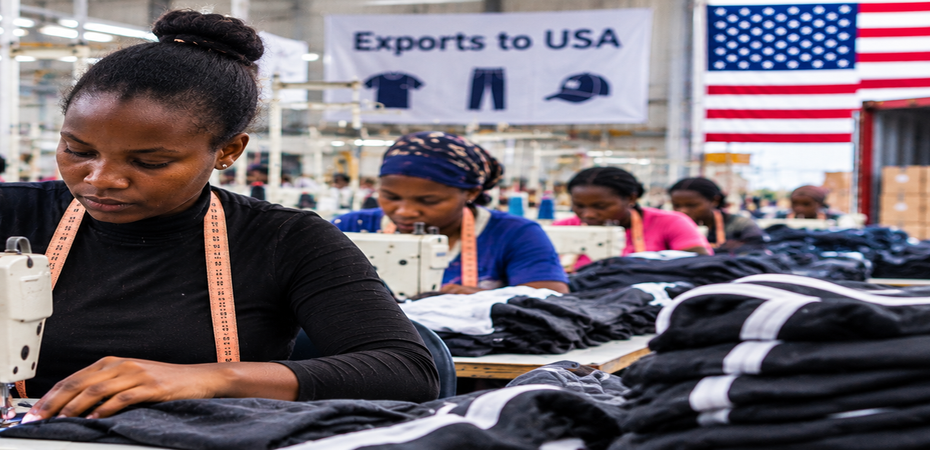
African Garment Industry Faces Uncertain Future
Thousands of workers across Africa are facing uncertainty over their jobs as the future of a major US trade programme remains unclear. The African Growth and Opportunity Act (AGOA), which has supported exports from eligible African countries to the United States for 25 years, is central to the concerns of manufacturers and workers.
In Kenya, the uncertainty is particularly serious for garment factories that depend on American buyers. Businesses are concerned that losing preferential access to the US market could make their products less competitive and force them to reduce production or cut jobs.
Kenyan Factory Workers Fear Job Losses
Shona EPZ, a garment manufacturer in Nairobi, employs approximately 700 people and produces clothing primarily for the American market. For many employees, the factory provides essential financial support for their families.
One worker, Joan Wambui, has explained that her wages help support her young daughter, sisters attending college and her mother. Losing her job would therefore affect the entire household, not just her personal income.
The uncertainty has already affected the factory’s operations. According to reporting by the BBC, monthly production has fallen significantly as customers hesitate to commit to future orders while the trade programme’s status remains unresolved.
Factory management has also warned that the business could be forced to send workers home or close if it cannot secure enough orders to sustain operations.
Why AGOA Matters to African Economies
AGOA was introduced to strengthen commercial relationships between the United States and eligible African economies by providing preferential access for thousands of products. Its broader objective has been to encourage industrial development, support employment and help African businesses participate in international trade.
Kenya’s clothing industry has benefited considerably from the programme. Figures cited by the Kenya Private Sector Alliance indicate that the country exported approximately $470 million worth of apparel to the US in 2024. The sector also supported more than 66,000 direct jobs, with women accounting for a substantial majority of those positions.
Beyond garment manufacturing, AGOA has supported trade in a range of agricultural and industrial products. Any disruption could therefore affect businesses, workers and communities that depend on export-oriented industries.
Businesses Already Feeling the Pressure
The lack of certainty surrounding the programme has created challenges for manufacturers planning production and investment. Factories need reliable orders to pay employees, purchase materials and maintain operations.
Kenyan garment exporters are also dealing with US tariffs introduced earlier in the year. Renewing AGOA would not automatically remove those existing tariffs, but it could preserve preferential treatment and prevent additional trade barriers associated with the programme’s expiry.
For companies that have invested millions of dollars in manufacturing facilities, uncertainty over future market access makes long-term planning increasingly difficult.
African Governments Seek a Solution
African officials have been engaging with US representatives to seek an extension and protect existing trade relationships. Kenya has also pursued discussions aimed at establishing a separate bilateral trade arrangement with Washington.
Trade policy specialists have argued that African countries need to develop clearer negotiating priorities and identify what they can offer in return for continued access to the American market.
At the same time, greater regional trade could provide another opportunity. The African Continental Free Trade Area aims to increase commerce between African countries, encourage manufacturing and support the movement of goods across borders.
However, developing alternative markets and building new supply chains takes time. Businesses that currently depend heavily on American customers may struggle to adjust quickly if existing trade arrangements change.
What the Uncertainty Means for Workers
For employees in export-focused factories, trade negotiations have immediate consequences. Reduced production can affect wages, household spending and the ability to pay for education and other essential needs.
Workers entering manufacturing for the first time may be particularly vulnerable because alternative employment opportunities can be limited. Factory closures could also affect suppliers, transport operators and other businesses connected to the garment industry.
The situation highlights how international trade policy can influence everyday economic security. A decision made through government negotiations can have consequences for families far removed from the diplomatic process.
Conclusion
The future of AGOA remains an important issue for African exporters, manufacturers and workers whose livelihoods depend on international trade. Kenya’s garment industry illustrates both the employment opportunities created by preferential market access and the risks associated with uncertainty over trade policy.
An extension could give businesses additional time to plan, while stronger regional trade and diversified export markets could help African economies become more resilient over the longer term.