Claiming the People: The Rise of Populist Politics in East Africa
Across East Africa, political movements increasingly draw on public frustration, economic hardship, and demands for greater representation. Kenya, Uganda, and Tanzania offer important examples of how political leaders and opposition figures appeal to ordinary citizens while challenging established political elites. These developments raise important questions about populism, democratic participation, and the concentration of political power.
The experiences of these three countries illustrate different forms of people-centred political messaging. From William Ruto’s campaign around the Hustler Nation in Kenya to Bobi Wine’s challenge to Uganda’s long-standing leadership and John Magufuli’s highly personalised governing approach in Tanzania, each case reveals a distinct relationship between political leadership and popular expectations.
Understanding Populism in East African Politics
Populism generally presents politics as a struggle between ordinary people and powerful elites. Leaders and movements using this approach often claim to represent citizens whose economic concerns, social needs, or political demands have been overlooked. However, the meaning and consequences of populism vary depending on the political institutions, historical experiences, and social conditions of each country.
Applying this concept to East Africa requires attention to local circumstances rather than assuming that every populist movement follows the same pattern. Economic inequality, unemployment, public dissatisfaction, and demands for accountability can all influence how political messages resonate with different communities.
Kenya: William Ruto and the Hustler Nation
William Ruto’s 2022 presidential campaign in Kenya placed significant emphasis on the economic struggles of ordinary citizens, particularly those working in informal and small-scale businesses. The Hustler Nation message presented economic opportunity and the concerns of everyday earners as central political priorities.
This approach helped frame the election as a contest between ordinary citizens and established interests. It also demonstrated how economic grievances can become a powerful part of political mobilisation. At the same time, the effectiveness of such promises depends on whether policies deliver meaningful improvements in people’s lives.
Uganda: Bobi Wine and the Challenge to Established Power
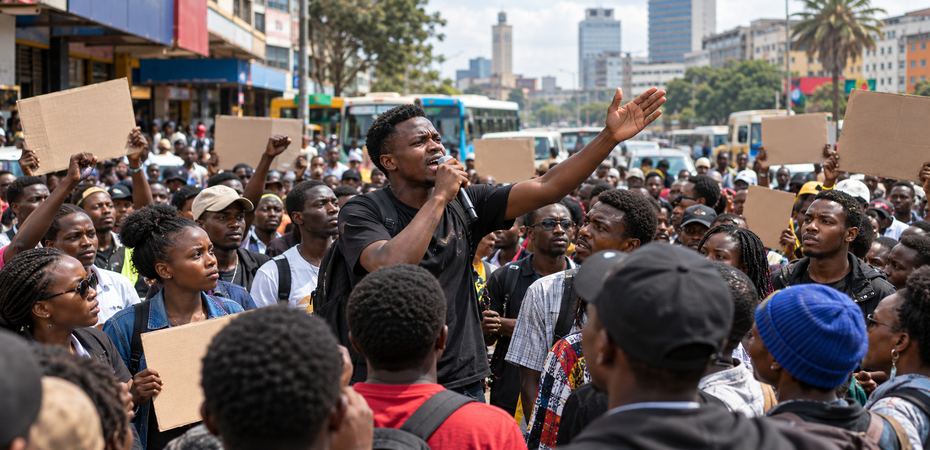
In Uganda, opposition figure Bobi Wine has mobilised support by speaking about political change, accountability, and the aspirations of younger generations. His challenge to President Yoweri Museveni has become an important part of wider debates about political participation, democratic freedoms, and the future of leadership in the country.
Youth engagement is particularly significant in a society where many citizens seek greater economic opportunities and a stronger voice in public affairs. However, opposition movements also face challenges related to political competition, institutional constraints, and the practical difficulties of translating public support into lasting political change.
Tanzania: John Magufuli and Personalised Leadership
John Magufuli’s presidency in Tanzania demonstrated another dimension of people-centred political leadership. His public image was closely associated with direct communication, a strong personal governing style, and promises to address inefficiency and corruption.
His leadership also raised questions about executive authority, institutional independence, and the relationship between popular appeal and democratic accountability. The Tanzanian experience highlights why political popularity alone does not fully explain how power is exercised or how democratic institutions are affected.
Youth Aspirations, Economic Frustrations and Political Change
Economic dissatisfaction is an important factor in understanding political mobilisation across East Africa. Concerns about employment, living costs, inequality, and access to opportunities can create demand for leaders who promise to challenge established political and economic structures.
Young people play a particularly important role in these debates because their expectations often reflect wider concerns about economic security, representation, and the future direction of their countries. Political movements that acknowledge these frustrations can attract considerable attention, although their long-term credibility depends on the substance of their proposals and their ability to deliver results.
Populism, Authoritarianism and Democratic Accountability
Populist appeals can encourage political participation by bringing neglected concerns into public debate. However, claims to represent the people can also become problematic when leaders present themselves as the only legitimate voice of the population or dismiss criticism as opposition to popular interests.
Understanding the relationship between populism and authoritarianism therefore requires examining how leaders use political support, how institutions respond to executive power, and whether citizens can hold those in authority accountable. Kenya, Uganda, and Tanzania provide different contexts for examining these questions.
Conclusion: Understanding the Future of East African Politics
The political experiences of Kenya, Uganda, and Tanzania demonstrate that populism cannot be understood through campaign slogans alone. Economic grievances, youth aspirations, political institutions, and competing claims to represent ordinary citizens all influence the emergence and development of these movements.
A balanced assessment should consider both the concerns that make populist messages appealing and the consequences they may have for democratic accountability. Understanding these dynamics is essential to evaluating political change and the future of representative government across East Africa.